Frankincense Oil & Boswellic Acids: Anti-Inflammatory Research
Boswellia serrata / carteri
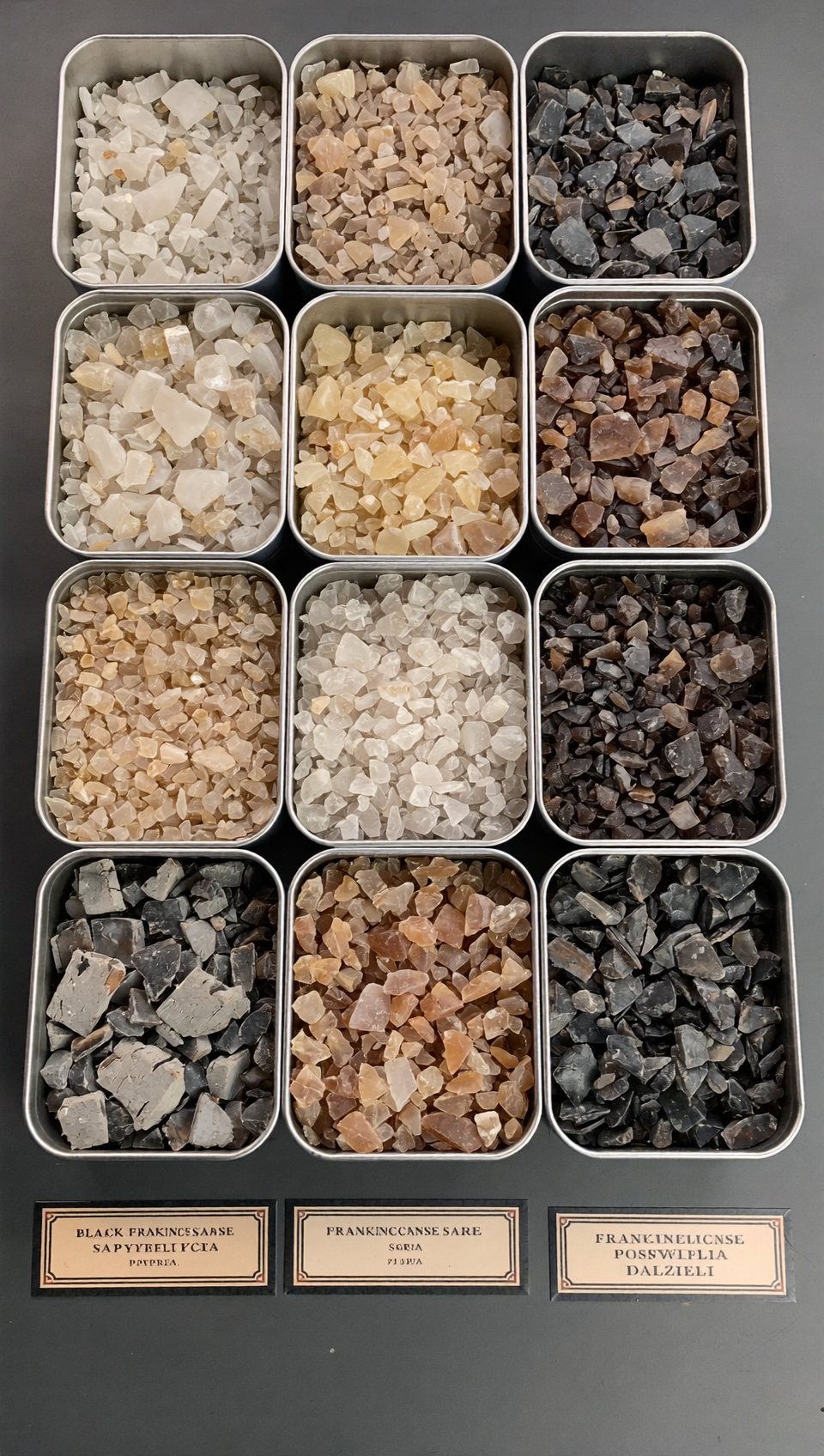
Frankincense essential oil, distilled from the resin of Boswellia trees, holds a special place in both ancient medicine and modern research. While the essential oil itself is primarily composed of monoterpenes (alpha-pinene, limonene) and sesquiterpenes, much of the clinical research on frankincense centers on boswellic acids found in the resin extract — compounds with well-documented anti-inflammatory activity.
AKBA (acetyl-11-keto-beta-boswellic acid) is the most studied boswellic acid and works by selectively inhibiting the enzyme 5-lipoxygenase, a key mediator of leukotriene synthesis and inflammatory signaling. A double-blind RCT published in Phytomedicine found that standardized Boswellia extract significantly reduced pain and improved physical function in patients with knee osteoarthritis over 90 days. The frankincense essential oil itself, when diffused, has demonstrated anxiolytic effects in animal models — with incensole acetate shown to activate TRPV3 ion channels in the brain associated with emotional regulation.
In aromatherapy practice, frankincense is widely used for its grounding, meditative quality and is frequently diffused during mindfulness practices. Topically (diluted to 2–3% in a carrier oil), it is applied for skin health and scar support, though high-quality clinical evidence for dermatological applications in humans remains limited.
We're developing the complete in-depth guide for this topic, including detailed research summaries, dilution tables, usage protocols, and safety references. Check back soon, or browse our published articles in the meantime.
Ready to experience therapeutic-grade essential oils?
Our complete 6-oil collection includes lavender, lemon, tea tree, peppermint, frankincense, and an immunity blend.
View the Complete Collection →